


Home Decor / Product research review
IKEA LACK Review: A Simple Table for a Small Room
A research-led look at the LACK side table, from sofa-side reach and square-footprint tradeoffs to surface care and realistic expectations.
Nestdusk Editorial · Revised October 23, 2026
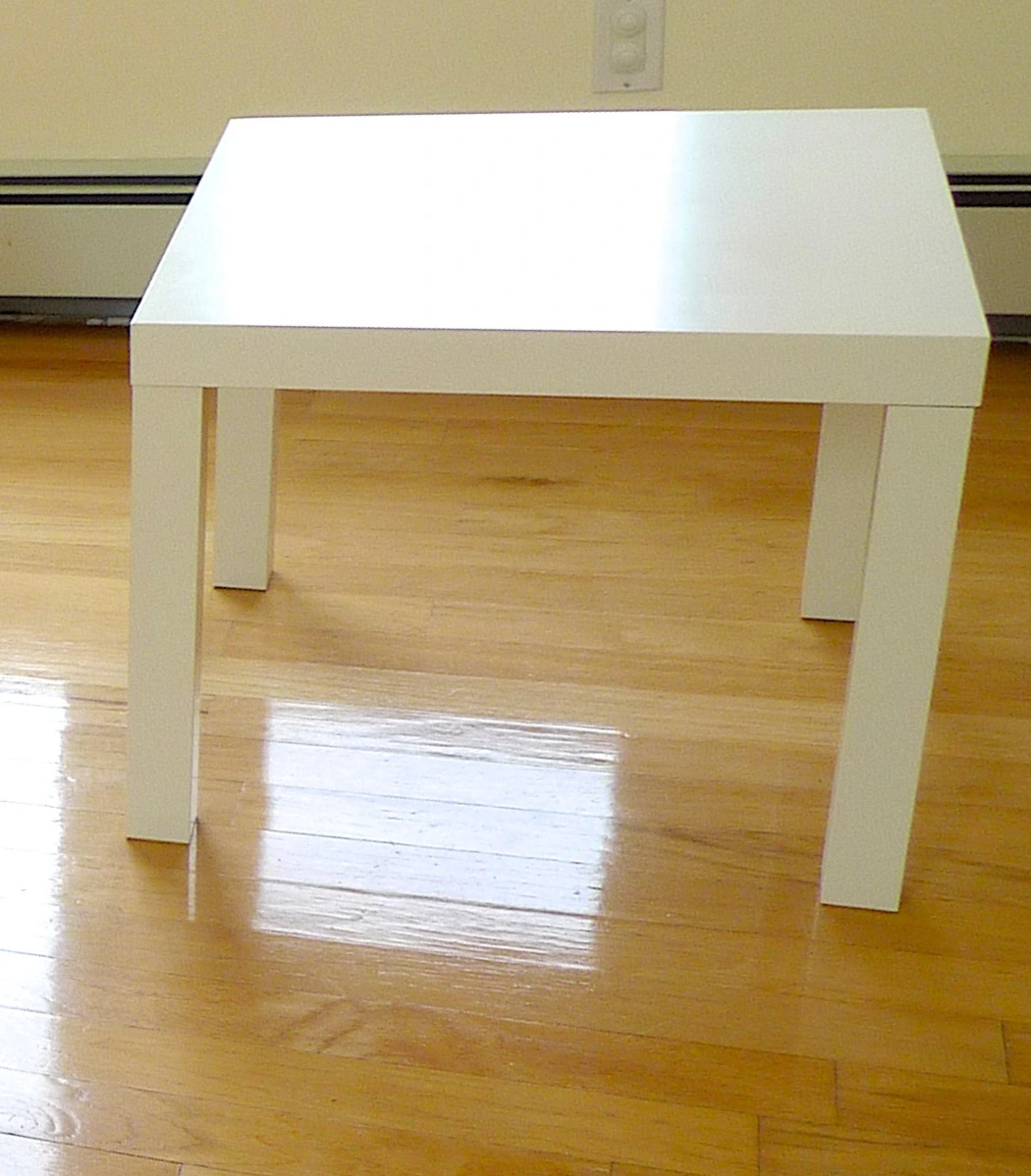
How to read this: This is original desk research, prepared with AI assistance. We have not handled a review sample or measured product performance. Historical product photos and separate placement-context photos are identified in their captions.
Quick view
LACK is a straightforward occasional-table option when its square top and low height fit a real task. Buy for the surface you need, with realistic material expectations and a clear route around it.
Pros
- A plain square format is easy to plan around.
- The current reference is lightweight and has a simple construction.
- A separate table can move with a changing room arrangement.
Cons
- A square footprint may take more circulation space than a narrow alternative.
- There is no drawer or built-in cable management.
- The reference uses manufactured materials, not solid timber.
Reference & purchase checks
| Research reference | IKEA LACK side table, white, US article 304.499.08 |
|---|---|
| Published size | 21⅝ × 21⅝ × 17¾ inches; confirm the current listing |
| Material expectation | Lightweight manufactured construction with honeycomb paper filling |
| Photo scope | One historical LACK product photograph and three separate placement-context photographs |
The small table with a surprisingly large question
A side table has a small job: keep a few useful objects within reach without getting in the way. That makes room fit a more helpful starting point than styling. A broad top may suit a lamp, a book and a drink, but it can be unnecessary beside a chair used only occasionally. Decide what must stay on the table and what can be put away elsewhere.
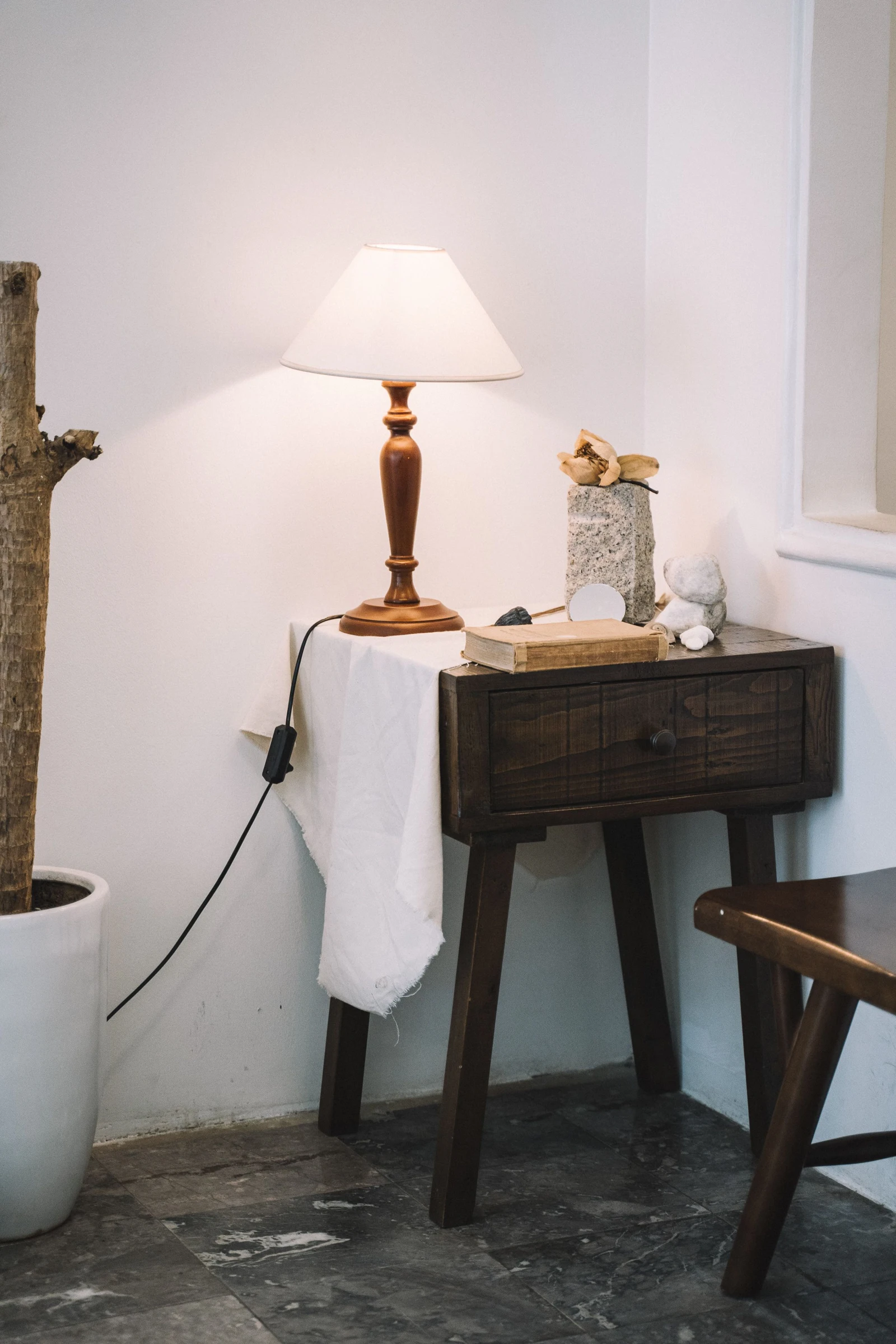
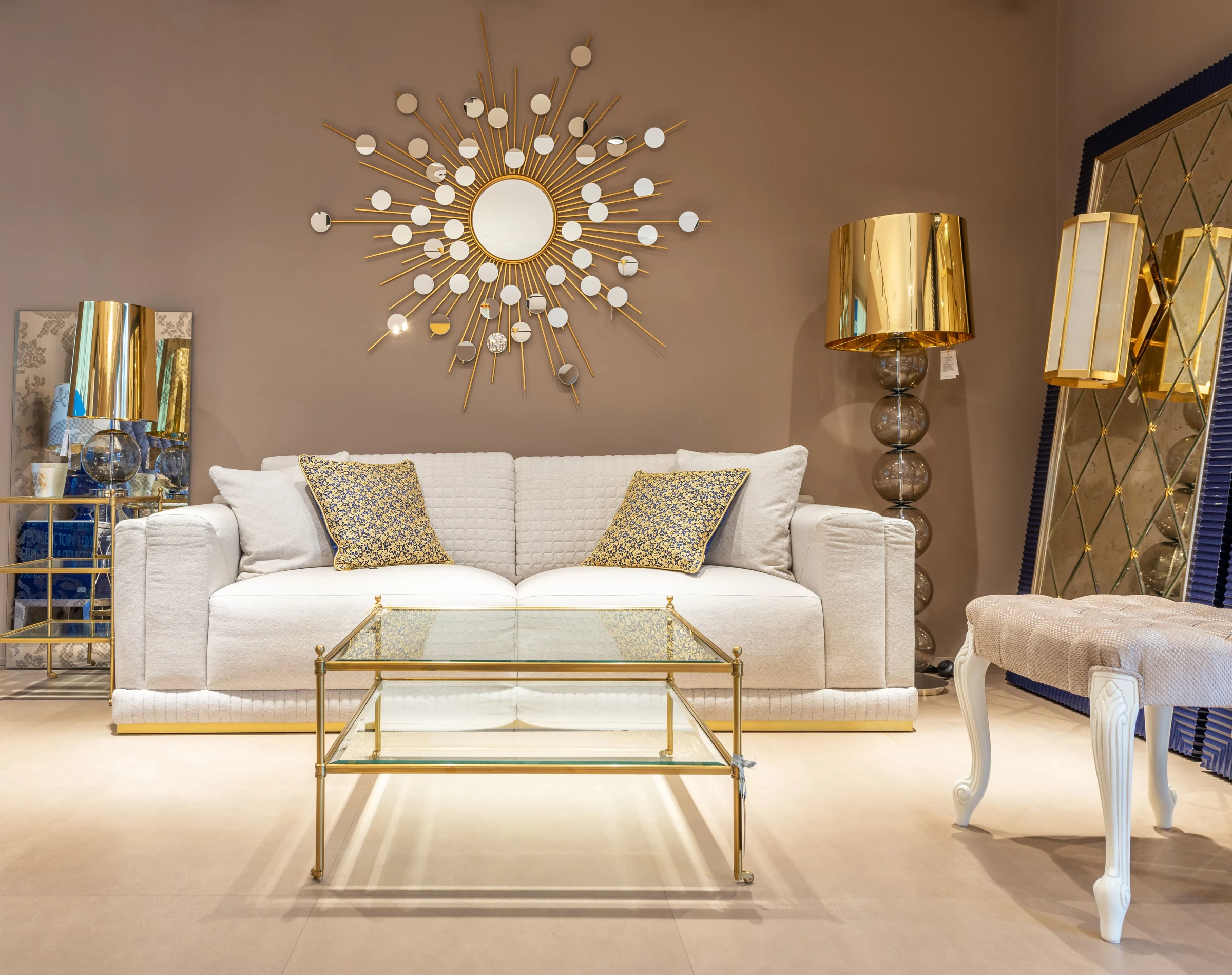
Our reference is IKEA’s white LACK side table, US article 304.499.08. The published size is 21⅝ inches square and 17¾ inches high. The product photo is an independently licensed historical photograph by Juhan Sonin, not an image of a review sample. The three supporting room photographs are clearly labeled context; none should be read as evidence of a LACK table in that room.
Check the reach from the seat you actually use
Compare the top with the arm or seat height of your sofa. Sit down with the objects you expect to use and identify a comfortable position for them. A table that looks balanced from across the room may be too low to use comfortably or too wide for the gap. Mark its footprint on the floor with removable paper before committing.
Pay attention to the route beyond the furniture. A table beside the sofa can narrow the path to a balcony, make a curtain awkward to reach or occupy the place where an overnight bag lands. A narrower rectangular table may be a better answer in a long, thin room. LACK’s simplicity does not make its square shape universally space-saving.

Treat the surface as furniture, not a workshop
IKEA describes a lightweight construction that includes a honeycomb paper filling. That is useful information when setting expectations: this is not a solid-wood table chosen for repeated refinishing. Check the current material and care instructions for the exact finish. Use a separate protective surface where appropriate, and do not assume that hot cookware, standing water or workshop equipment belong on the top.
Open space underneath can make the table appear less bulky, but it is not enclosed storage. Adding a basket underneath changes both access and the visual result; test that idea with a container you already have rather than buying accessories automatically. Keep any cable route separate from the walking path.
Where the value comes from
Value depends on whether the table solves the intended task at an acceptable complete cost. Add delivery or a collection trip before comparing it with a used table or a smaller surface. A low item price is less persuasive if it encourages an unnecessary order or leaves you with furniture that does not fit.
We have not tested scratch resistance, liquid exposure, wobble or repeated disassembly. Our verdict concerns the documented design and room-planning tradeoffs. Consider LACK for a simple, measured occasional-table role; choose something else when the room calls for a different shape, storage or a material you intend to maintain for many years.
Who should buy or use this approach?
Someone who needs an uncomplicated surface beside a low sofa or chair and can check the height, reach and floor footprint before buying.
Who should pass?
Someone looking for seating, a step, a heat-resistant work surface, hidden storage or independently tested durability.
The verdict
LACK is a straightforward occasional-table option when its square top and low height fit a real task. Buy for the surface you need, with realistic material expectations and a clear route around it.
Sources & scope
Written for this edition, October 23, 2026. No live sale or stock claim is made. Editorial standards · Photo licenses.