


Home Decor / Buying guide
Curtains for a Small Room: Coverage Before Color
A practical comparison of light-filtering and room-darkening panels, with stack-back, cleaning and rental installation in view.
Nestdusk Editorial · Revised October 23, 2026
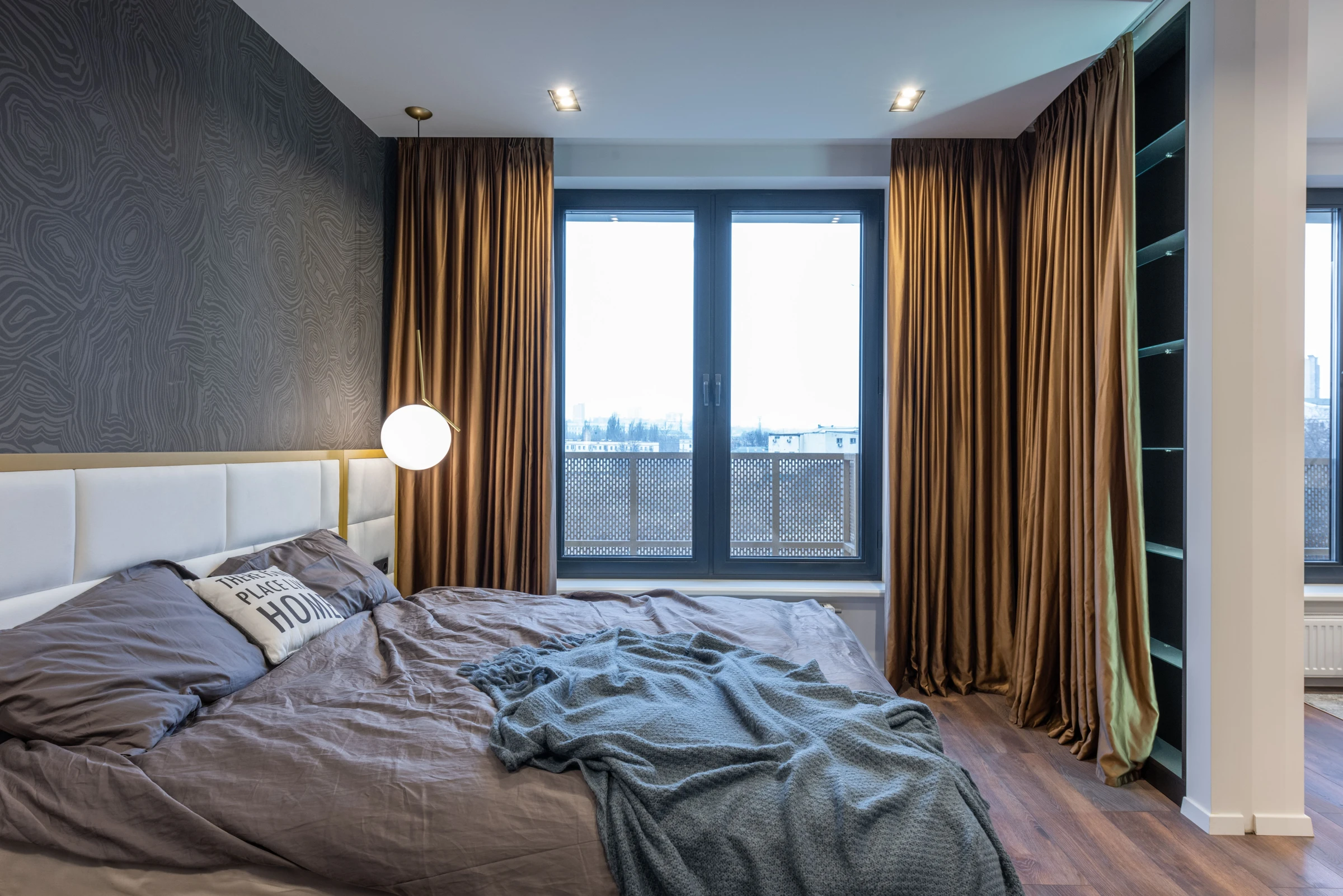
How to read this: This is an original selection and planning guide, prepared with AI assistance. Its dedicated photograph illustrates the topic; it is not evidence of a tested product.
Quick view
Select curtains for the level of privacy and light control you need, then measure the closed coverage and the space occupied when the panels are open.
Pros
- A clear privacy goal narrows the fabric choices.
- Measuring the open panels avoids sacrificing useful daylight accidentally.
Cons
- A pretty fabric may not provide the light control you need.
- Hardware compatibility and installation can add cost.
Name the problem before choosing the color
Do you need daytime privacy, less direct glare or stronger light control for sleep? These are different jobs. A light fabric may soften a bright window while still revealing silhouettes at night. A heavier panel can change the room more substantially, but the result also depends on how it covers the window.
Read the specific product description and avoid treating style words as measured performance. If a seller gives no useful detail about light control, ask before buying. Match the decision to the direction the window faces and the times you normally use the room.
Measure open and closed
Record the planned hardware position, panel length and coverage width. Then allow for the gathered fabric when the curtains are open. In a small room, a stack of fabric can interfere with a door, a desk or the daylight you wanted to keep. Check how the panels sit relative to a heater or other fixture and follow the relevant instructions.
Existing rental hardware may limit the heading type and weight you can use. Confirm compatibility rather than ordering a new rod automatically. If installation is needed, resolve permission and appropriate fixings first; calling a product renter-friendly does not establish that it suits every wall.
Include the less visible costs
Check whether the price is for one panel or a pair. Add hardware, lining if needed, delivery and the care routine. A lower purchase price may be less convenient if the panels need a cleaning method you cannot readily arrange.
The photograph provides window-treatment context, not a claim about the fabric pictured. Our advice is to make a short checklist of coverage, heading, care and return terms for each candidate. Choose the simplest complete option that answers the original light or privacy problem.
Who should buy or use this approach?
Someone refreshing a small rental bedroom or living room with a defined privacy or daylight problem.
Who should pass?
Someone relying on unverified mounting capacity or assuming every panel marketed as blackout performs identically.
The verdict
Select curtains for the level of privacy and light control you need, then measure the closed coverage and the space occupied when the panels are open.
Sources & scope
The selection framework is Nestdusk editorial analysis. Check the exact product instructions, measurements and seller terms for any item you consider.
Written for this edition, October 23, 2026. No live sale or stock claim is made. Editorial standards · Photo licenses.